Water Damage Repair
A full guide to water damage repair — what causes it, the six-phase restoration process, realistic costs, how insurance works, and how to hire a licensed local company.
What is water damage repair?
Water damage repair is the end-to-end process of restoring a property after water intrusion — from the first emergency extraction through full reconstruction. It is more than just drying a wet floor. Done correctly it is a sequence of measured, documented steps whose goal is restoring the structure to pre-loss condition without leaving trapped moisture behind.
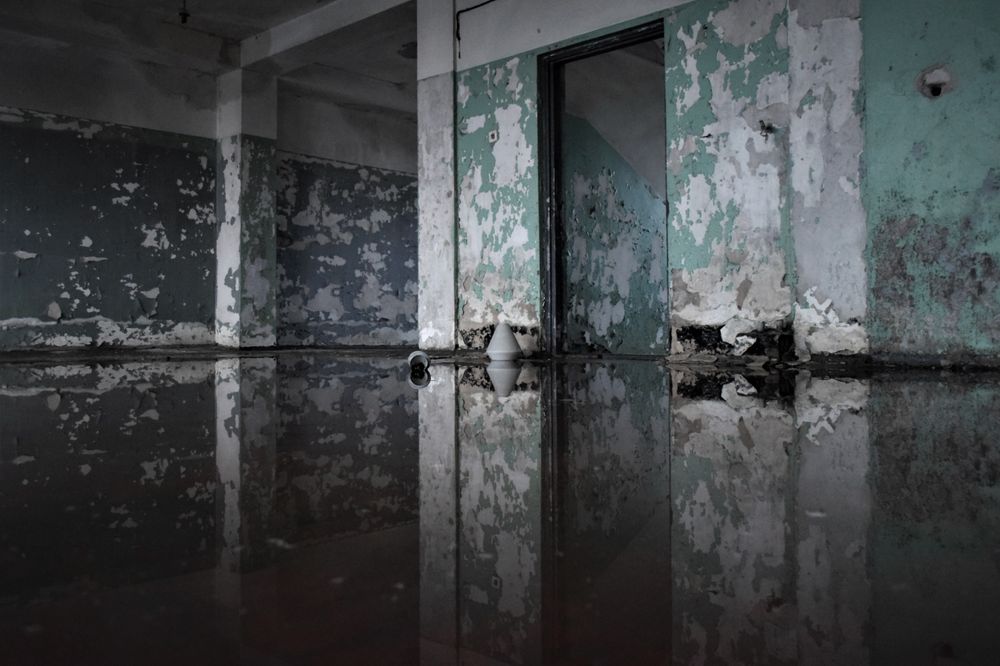
The most common mistake homeowners make is stopping at cleanup. Without commercial-grade dehumidification, hidden moisture inside wall cavities, under flooring, and in subfloor sheathing stays wet long enough to grow mold — turning a $3,000 repair into a $15,000 one.
Common causes
Nine out of ten residential water damage claims come from one of these sources. Knowing the cause helps insurance adjusters classify the claim and helps repair companies scope the job.
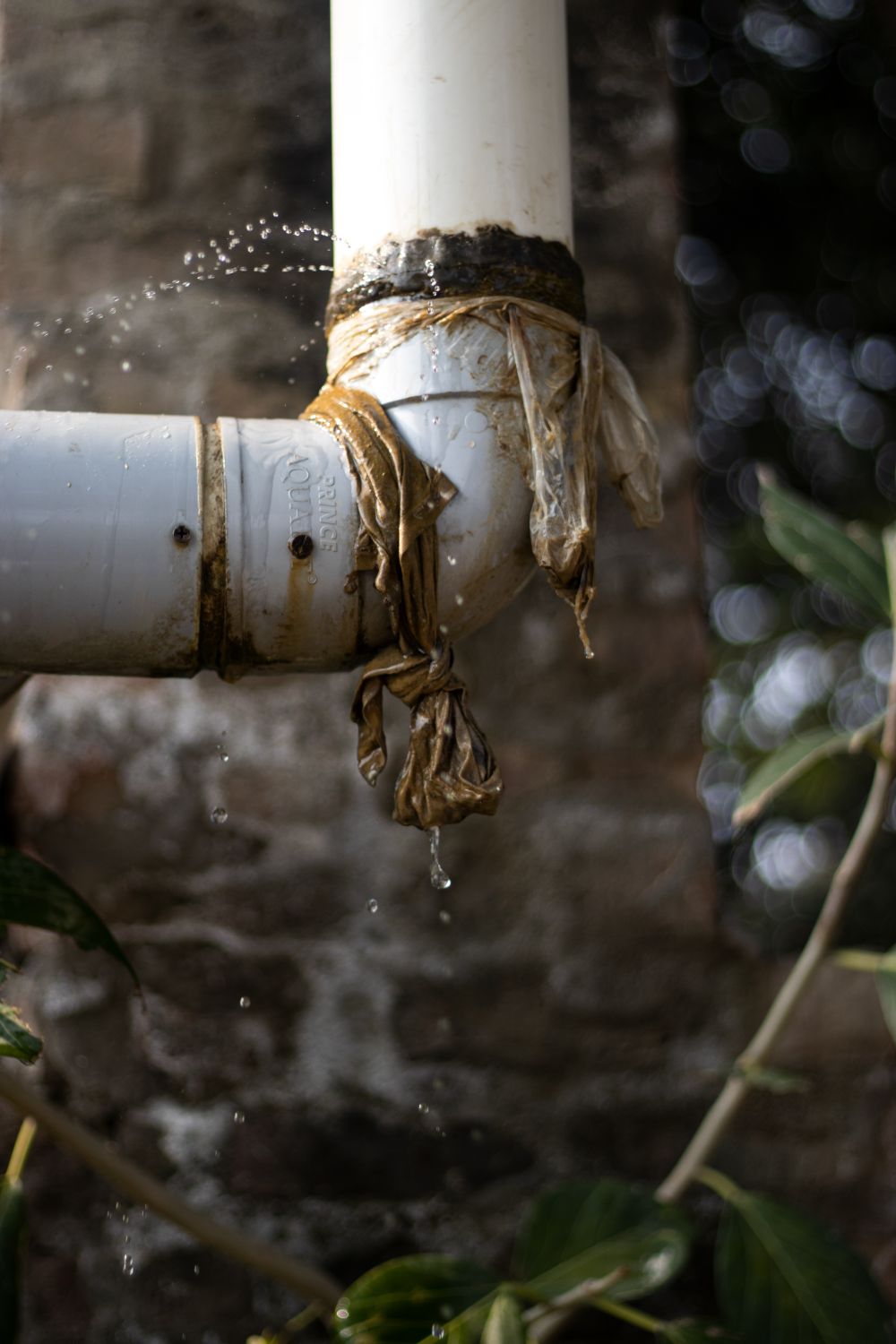
- • Burst or frozen pipes — #1 cause in cold climates
- • Appliance failure — washing machine, dishwasher, water heater
- • Roof leaks — storm-driven rain, aged flashing
- • Toilet or drain overflow — often Category 2 or 3 water
- • Sewer backup — always Category 3; requires full sanitization
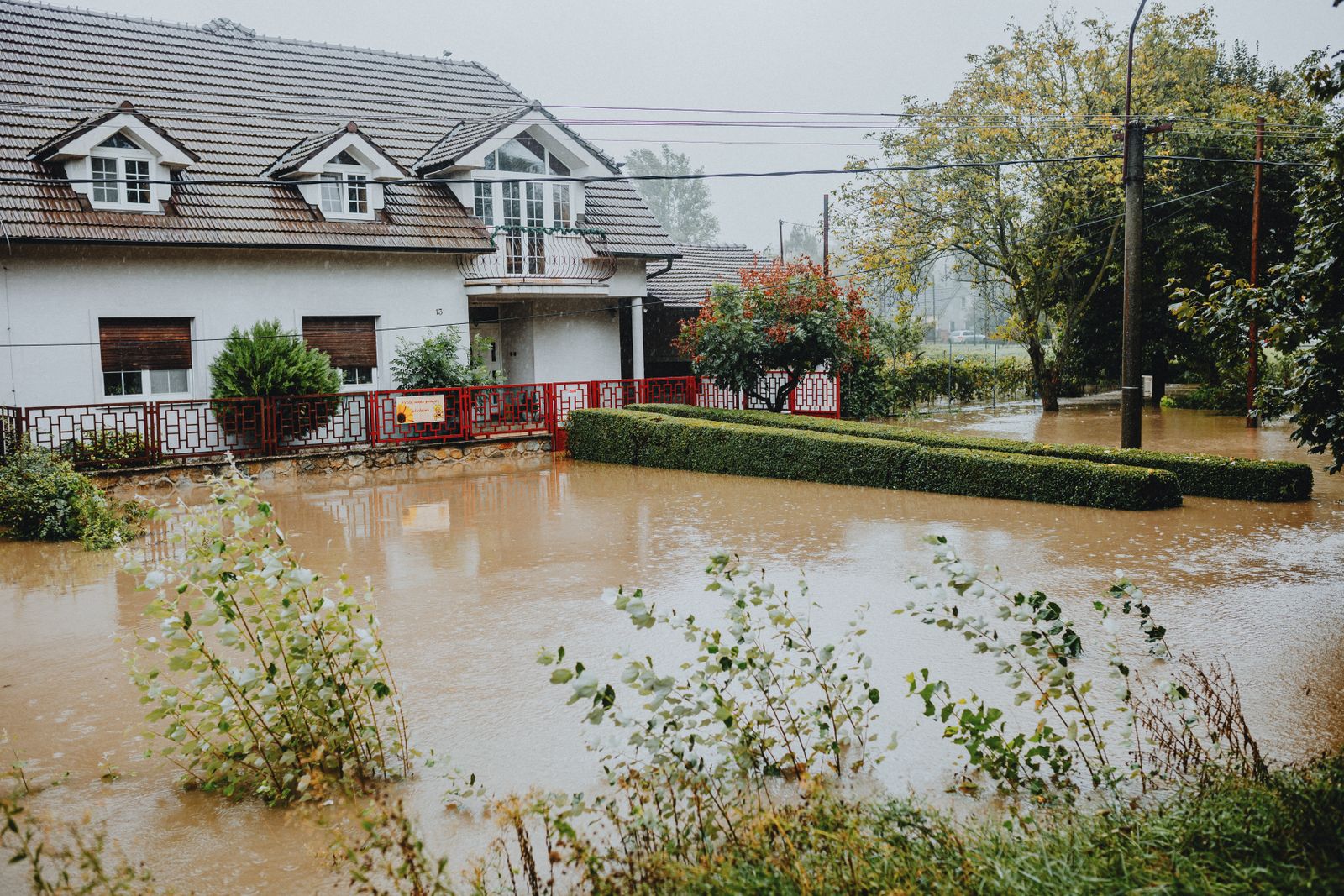
- • Flooding — requires a separate flood insurance policy
- • HVAC condensate leaks — slow, hidden, often cause mold
- • Foundation seepage — common in older basements
The six-phase repair process
Every reputable water damage repair company follows a version of this sequence. It tracks the IICRC S500 standard used by major insurance carriers.
- 1Emergency response and water extraction
A licensed crew arrives within 60–90 minutes, shuts off the water source, and uses truck-mounted extractors and submersible pumps to remove standing water. Hours 1–4.
- 2Content protection and documentation
Salvageable items are pack-out or elevated and photographed. Damage is documented for your insurance claim in a moisture-map format (meter readings, room-by-room notes). Hours 4–8.
- 3Structural drying and dehumidification
Air movers and commercial-grade dehumidifiers run 24/7 until moisture meters confirm structural materials are within 1–2 percentage points of normal. Days 1–5.
- 4Antimicrobial treatment
All affected surfaces are cleaned with EPA-registered antimicrobials to prevent mold. Porous materials that can't be fully dried (wet insulation, swollen MDF, mold-colonized drywall) are removed. Days 2–3.
- 5Reconstruction and finishing
Drywall, flooring, trim, and paint are replaced to match pre-loss condition. The restoration company either handles reconstruction in-house or coordinates with a general contractor. Weeks 2–4.
- 6Final inspection and moisture verification
Independent moisture readings confirm the repair is complete. Warranty paperwork and a final insurance-ready scope document are issued.
What drives the cost of water damage repair
Two jobs that look identical from the driveway can differ 5× in price. Here's what moves the bill up or down.
- Size of affected areaPriced per square foot — a single bathroom vs. a whole basement is 10× cost.
- Water categoryClean water (Cat 1) < gray water (Cat 2) < black water / sewage (Cat 3).
- Equipment daysDrying equipment rents for 3–5 days typical; longer for hardwood or concrete slab.
- Mold remediationBilled separately when mold is found. Typically adds $500–$6,000.
- Reconstruction scopeDrywall and paint are cheap; hardwood, custom cabinetry, and plaster are not.
- After-hours responseNights, weekends, and holidays often add 15–30% premium.
How to choose a repair company
Water damage is a high-trust, time-pressured purchase. The fastest way to filter the good from the bad is a checklist.
- IICRC-certified technicians (WRT, ASD, AMRT)
- State contractor license with number displayed publicly
- Proof of general liability insurance + bonding
- 24/7 emergency availability with on-site arrival under 2 hours
- Direct billing to insurance with a written scope document
- Moisture meter readings included in documentation
- Written warranty on all restoration work
- Real reviews with recent responses from the business
- • Refuses to provide a license number or insurance certificate
- • Pressures you to sign an Assignment of Benefits (AOB) before inspection
- • Quotes a flat price sight unseen before moisture mapping
- • No physical business address or same-day pop-up website
- • Cash-only or large upfront deposit with no written scope
- • Uses household fans instead of commercial air movers
Find a water damage repair company near you
Our directory lists vetted companies in 31 states — every listing includes real ratings, review count, phone, and website so you can compare side by side.
Water damage repair — frequently asked questions
What is water damage repair?
How much does water damage repair cost?
How fast should water damage repair start?
Does homeowners insurance cover water damage repair?
Can I do water damage repair myself?
How long does water damage repair take?
Keep reading
Photos via Pexels (royalty-free). This page is informational and not a substitute for professional advice, contractor licensing verification, or an insurance policy review.